RACP Divisional Written Exam · FRACP
Infectious Diseases for the written exam
Everything Physify has for Infectious Diseases: short lessons written to Australian guidance, exam-style questions with a worked explanation for each, and Bedside, our AI tutor, under every one. Try a question below, no sign-up.
- courses
- 26courses
- lessons
- 149lessons
- exam-style questions
- 659exam-style questions
- figures in the lessons
- 18figures in the lessons
Try one now · no sign-up
Infectious Diseases
Pick an answer to see the explanation
What's covered
26 courses, each a set of lessons with a quiz after them. The bar shows how many questions each has. Open a course to see its lesson outline.
- Antimicrobial Therapy and Stewardship5 lessons · 29 Qs
- Australian Guidance Versus Overseas: Infection, Haematology, Gastroenterology, Rheumatology and Oncology5 lessons · 30 Qs
- Bone & Joint Infection3 lessons · 31 Qs
- Cell-Wall Deficient Bacteria4 lessons · 21 Qs
- DNA Viruses8 lessons · 20 Qs
- Fever in the Returned Traveller5 lessons · 30 Qs
- Fever Without a Focus and Pyrexia of Unknown Origin5 lessons · 31 Qs
- Fungi6 lessons · 20 Qs
- Gram-negative bacteria13 lessons · 20 Qs
- Gram-positive bacteria9 lessons · 21 Qs
- Human Immunodeficiency Virus (HIV) & AIDS3 lessons · 21 Qs
- Infection in the Immunocompromised Host5 lessons · 33 Qs
- Infective Endocarditis and Prosthetic Valves5 lessons · 36 Qs
- Landmark Trials 2016 to 2026: Critical Illness in Medical Patients5 lessons · 27 Qs
- Landmark Trials 2016 to 2026: Infectious Diseases5 lessons · 28 Qs
- Landmark Trials: Haematology, Oncology and Infectious Diseases5 lessons · 30 Qs
- Mycobacteria5 lessons · 22 Qs
- Occupational Exposures, Needlestick Injury and Post-Exposure Prophylaxis5 lessons · 28 Qs
- Parasites: Helminths9 lessons · 20 Qs
- Parasites: Protozoa8 lessons · 22 Qs
- Prions1 lesson · 20 Qs
- RNA Viruses14 lessons · 20 Qs
- Sepsis and Septic Shock5 lessons · 30 Qs
- Spirochaetes3 lessons · 20 Qs
- Upper Respiratory Tract and Eye Infections5 lessons · 29 Qs
- Viral & Post-infectious Arthritis3 lessons · 20 Qs
From the lessons
18 figures sit in the Infectious Diseases lessons: ECGs, diagrams, films and clinical images, each with what to look for. Here are 4. Tap one to enlarge it.
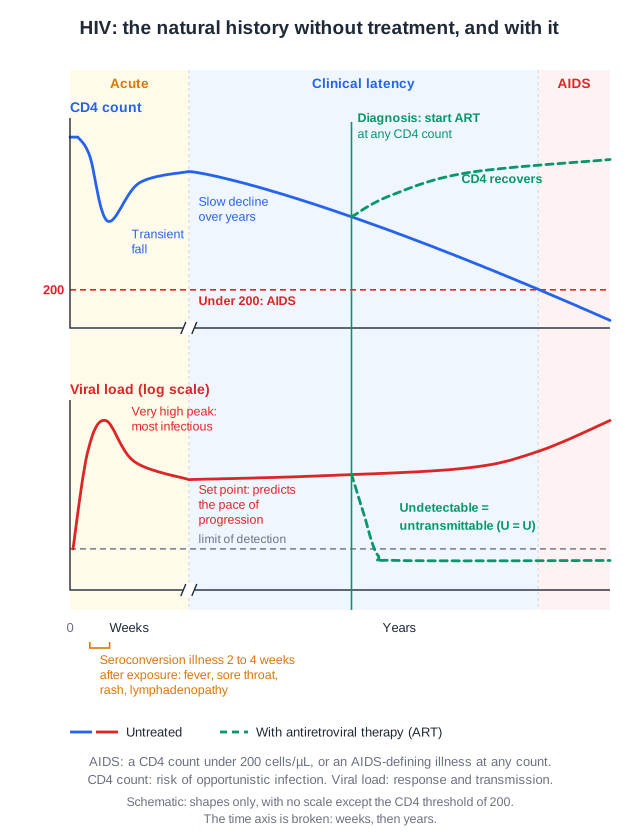
From the lesson “Testing, Staging & Antiretroviral Therapy” in Human Immunodeficiency Virus (HIV) & AIDS
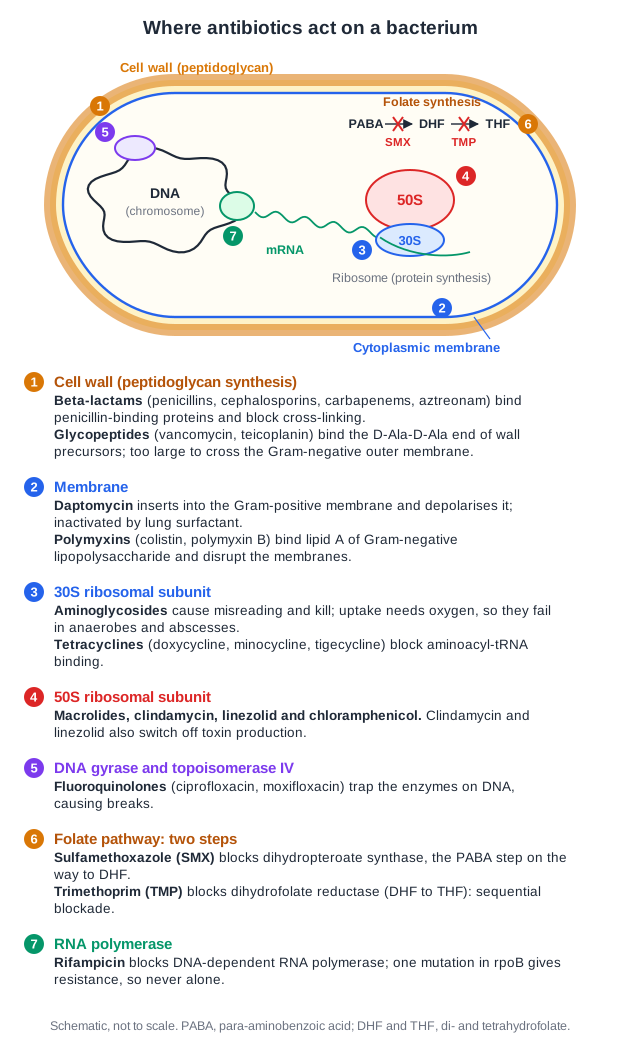
From the lesson “Principles of Antimicrobial Choice, Pharmacokinetics and Dosing” in Antimicrobial Therapy and Stewardship
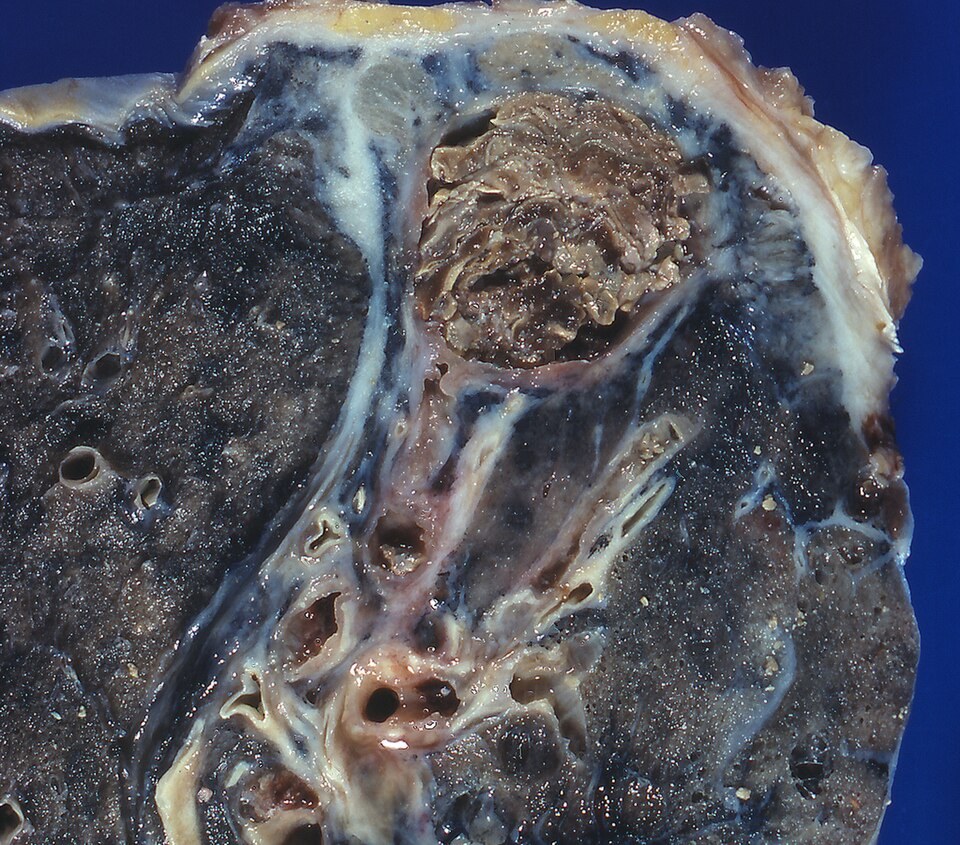
From the lesson “Aspergillus spp.” in Fungi
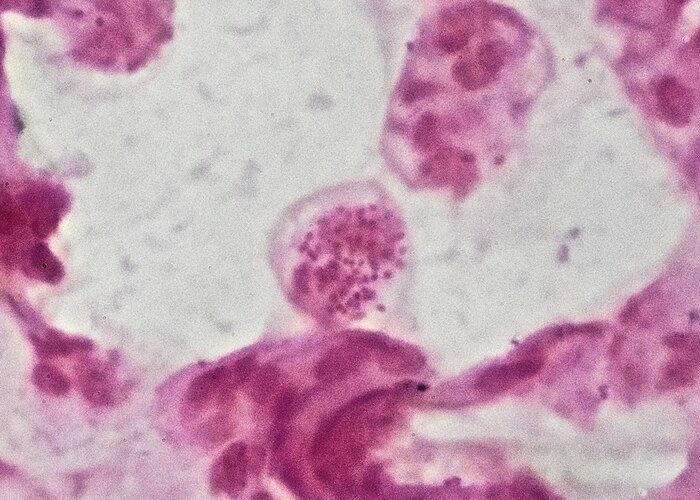
From the lesson “Neisseria meningitidis / Haemophilus influenzae / Neisseria gonorrhoeae” in Gram-negative bacteria
Free for Infectious Diseases
Infectious Diseases in the clinical exam
1 long case for the RACP Divisional Clinical Exam: you examine, present and are marked on the five RACP domains.
See the clinical exam →Open all of Infectious Diseases
A membership opens every lesson and all 659 Infectious Diseases questions, with the rest of the bank (11,500+ questions across 17 specialties), 15 timed mock exams, smart review and a daily plan to your exam.
The trial needs a card; cancel any time before it ends and you pay nothing. The free account needs no card.