RACP Divisional Written Exam · FRACP
Palliative Medicine for the written exam
Everything Physify has for Palliative Medicine: short lessons written to Australian guidance, exam-style questions with a worked explanation for each, and Bedside, our AI tutor, under every one. Try a question below, no sign-up.
- courses
- 8courses
- lessons
- 38lessons
- exam-style questions
- 214exam-style questions
- figures in the lessons
- 3figures in the lessons
Try one now · no sign-up
Palliative Medicine
Pick an answer to see the explanation
What's covered
8 courses, each a set of lessons with a quiz after them. The bar shows how many questions each has. Open a course to see its lesson outline.
- Care of the Dying Patient4 lessons · 26 Qs
- Goals of Care, Prognosis and Resuscitation Decisions5 lessons · 28 Qs
- Landmark Trials 2016 to 2026: Geriatric and Palliative Medicine5 lessons · 26 Qs
- Non-Pain Symptom Management5 lessons · 26 Qs
- Opioid Conversion, Opioid-Induced Hyperalgesia and Syringe Drivers5 lessons · 29 Qs
- Pain Management in Palliative Care4 lessons · 26 Qs
- Palliative Care in Non-Cancer Illness5 lessons · 28 Qs
- Principles of Palliative Care & Advance Care Planning5 lessons · 25 Qs
From the lessons
3 figures sit in the Palliative Medicine lessons: ECGs, diagrams, films and clinical images, each with what to look for. Here are 3. Tap one to enlarge it.
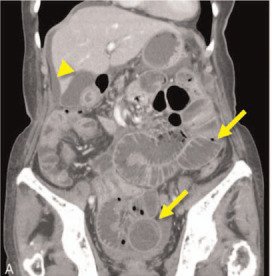
From the lesson “Malignant Bowel Obstruction” in Non-Pain Symptom Management
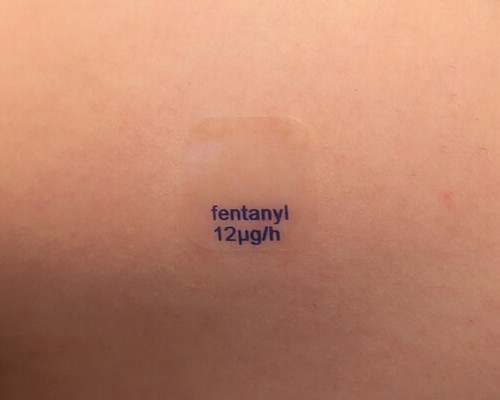
From the lesson “Opioids” in Pain Management in Palliative Care
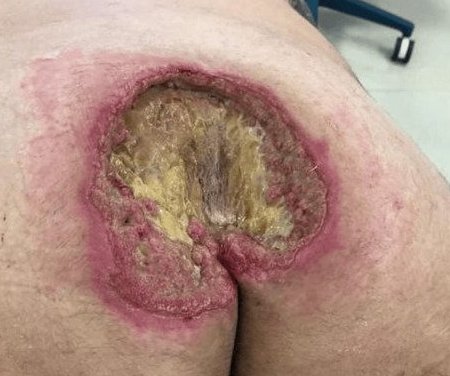
From the lesson “Dementia, Frailty, Neurodegenerative Disease and Stroke” in Palliative Care in Non-Cancer Illness
Free for Palliative Medicine
Open all of Palliative Medicine
A membership opens every lesson and all 214 Palliative Medicine questions, with the rest of the bank (11,500+ questions across 17 specialties), 15 timed mock exams, smart review and a daily plan to your exam.
The trial needs a card; cancel any time before it ends and you pay nothing. The free account needs no card.