RACP Divisional Written Exam · FRACP
Oncology for the written exam
Everything Physify has for Oncology: short lessons written to Australian guidance, exam-style questions with a worked explanation for each, and Bedside, our AI tutor, under every one. Try a question below, no sign-up.
- courses
- 34courses
- lessons
- 152lessons
- exam-style questions
- 723exam-style questions
- figures in the lessons
- 19figures in the lessons
Try one now · no sign-up
Oncology
Pick an answer to see the explanation
What's covered
34 courses, each a set of lessons with a quiz after them. The bar shows how many questions each has. Open a course to see its lesson outline.
- Advanced Non-Melanoma Skin Cancer3 lessons · 20 Qs
- Anal, Small Bowel & Appendiceal Cancers3 lessons · 20 Qs
- Australian Guidance Versus Overseas: Infection, Haematology, Gastroenterology, Rheumatology and Oncology5 lessons · 30 Qs
- Brain Cancer4 lessons · 21 Qs
- Breast Cancer7 lessons · 20 Qs
- Cancer of Unknown Primary4 lessons · 20 Qs
- Cancer-Associated Thrombosis3 lessons · 20 Qs
- Cell, Molecular and Cancer Biology5 lessons · 30 Qs
- Cervical Cancer4 lessons · 20 Qs
- Colorectal Cancer7 lessons · 21 Qs
- Endocrine Cancer5 lessons · 20 Qs
- Endometrial Cancer4 lessons · 20 Qs
- Familial Cancer Syndromes4 lessons · 21 Qs
- Gastric Cancer5 lessons · 20 Qs
- Geriatric Oncology3 lessons · 20 Qs
- Head & Neck Cancer5 lessons · 20 Qs
- Hepatocellular Carcinoma5 lessons · 20 Qs
- Landmark Trials 2016 to 2026: Oncology5 lessons · 25 Qs
- Landmark Trials: Haematology, Oncology and Infectious Diseases5 lessons · 30 Qs
- Lung Cancer7 lessons · 21 Qs
- Melanoma5 lessons · 21 Qs
- Mesothelioma & Thymic Tumours4 lessons · 20 Qs
- Oesophageal Cancer6 lessons · 20 Qs
- Oncological Emergencies4 lessons · 22 Qs
- Ovarian Cancer4 lessons · 20 Qs
- Pancreatic Cancer5 lessons · 20 Qs
- Paraneoplastic Syndromes4 lessons · 20 Qs
- Prostate Cancer4 lessons · 20 Qs
- Renal Cell Carcinoma4 lessons · 20 Qs
- Sarcoma4 lessons · 20 Qs
- Survivorship, Fertility & Cancer in Pregnancy3 lessons · 20 Qs
- Systemic Therapy, Immunotherapy Toxicity & Cardio-Oncology4 lessons · 21 Qs
- Testicular Cancer4 lessons · 20 Qs
- Tumours of the Ureter and Bladder4 lessons · 20 Qs
From the lessons
19 figures sit in the Oncology lessons: ECGs, diagrams, films and clinical images, each with what to look for. Here are 4. Tap one to enlarge it.
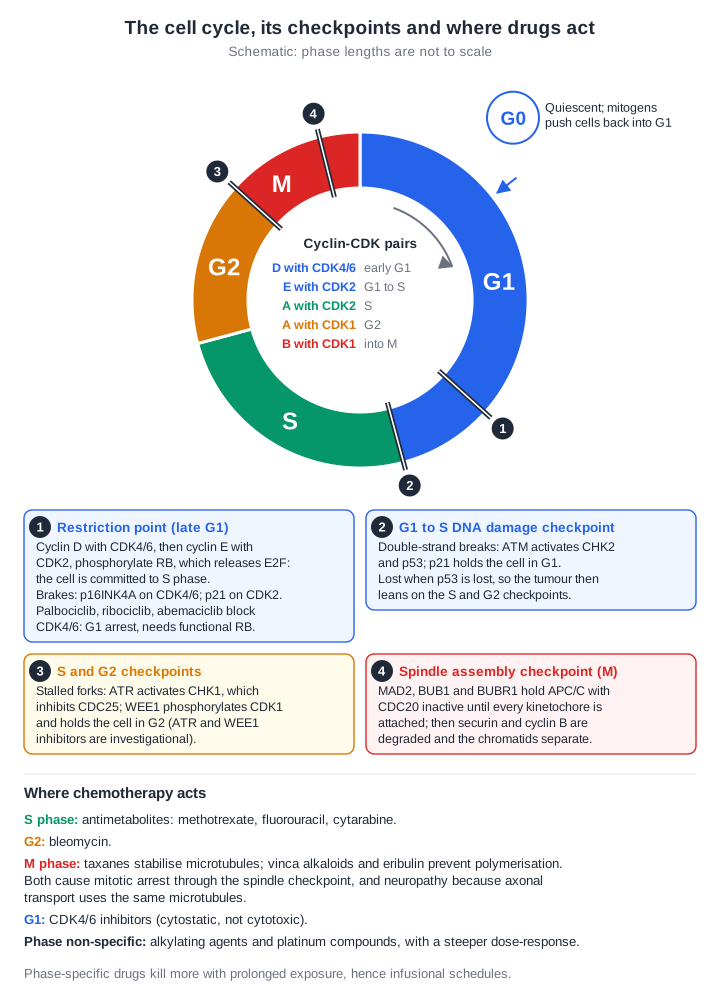
From the lesson “The Cell Cycle, p53, Checkpoints and DNA Repair” in Cell, Molecular and Cancer Biology
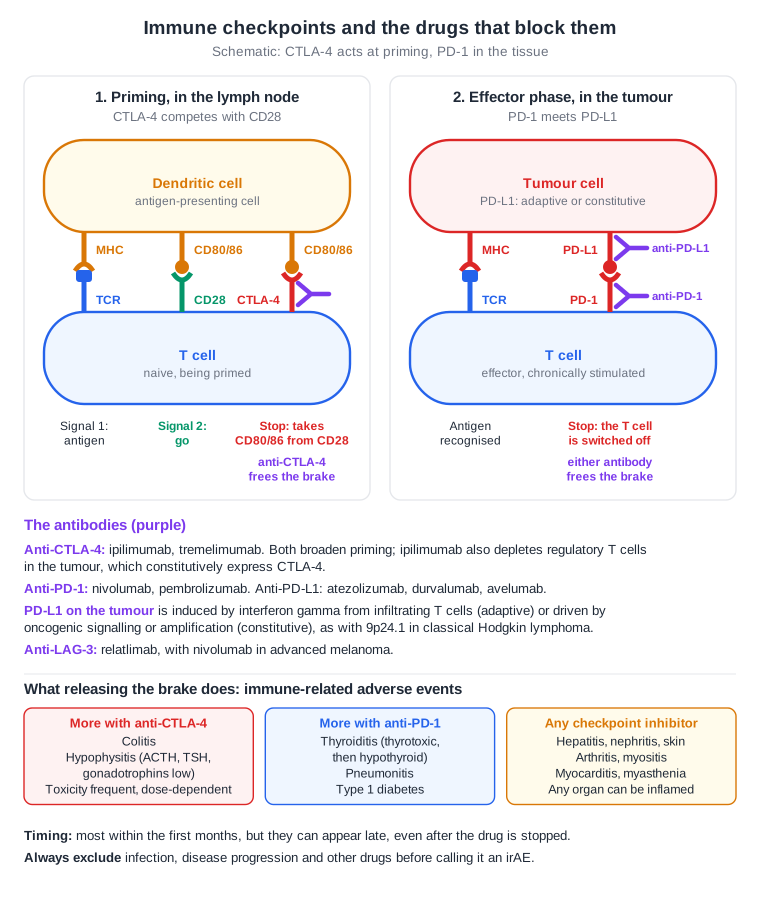
From the lesson “Immune Related Adverse Events, CRS & ICANS” in Systemic Therapy, Immunotherapy Toxicity & Cardio-Oncology
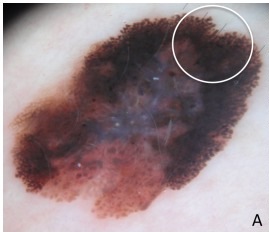
From the lesson “Epidemiology, Subtypes & Molecular” in Melanoma
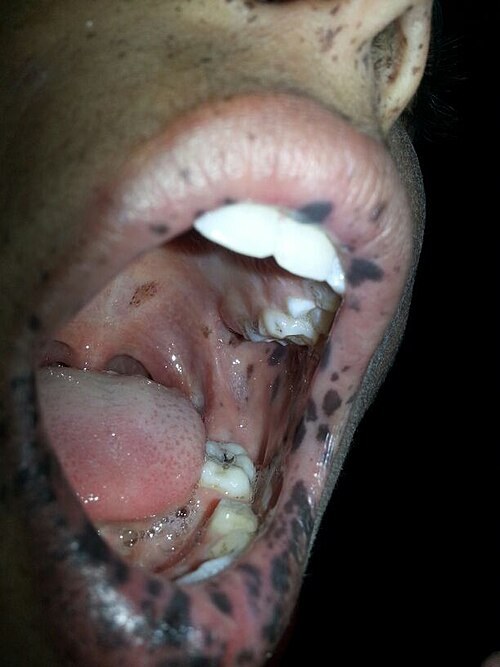
From the lesson “Small Bowel & Appendiceal Tumours” in Anal, Small Bowel & Appendiceal Cancers
Free for Oncology
Oncology in the clinical exam
1 long case for the RACP Divisional Clinical Exam: you examine, present and are marked on the five RACP domains.
See the clinical exam →Open all of Oncology
A membership opens every lesson and all 723 Oncology questions, with the rest of the bank (11,500+ questions across 17 specialties), 15 timed mock exams, smart review and a daily plan to your exam.
The trial needs a card; cancel any time before it ends and you pay nothing. The free account needs no card.